Grizzly Bear Ecology Research
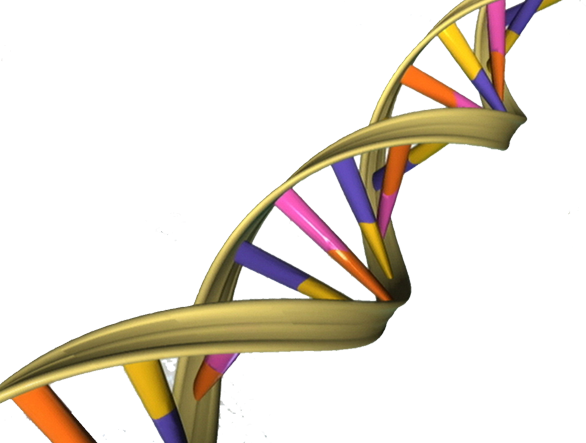
Bears are fascinating from a genetic perspective. Grizzly bears experience three major physiological shifts during a year – active season, hyperphagia and hibernation. These physiological states are characterized by both varying food intake and physical activity.
We are studying the transcriptional response to seasonal changes in grizzly bears in order to understand these physiological changes both from a basic biological viewpoint and in an effort to find new treatments for common human diseases (i.e. obesity and muscle atrophy). Using functional genomic techniques such as RNA-sequencing, we are working to better understand the complex regulatory changes that allow the grizzly bear to achieve such extreme physiological changes every year with no apparent ill effects. In addition to understanding the genetic mechanisms and evolution of hibernation, we are also using genomics to inform grizzly bear conservation efforts. We are analyzing modern and historic DNA samples to understand genetic diversity, population demography, and gene flow across North American grizzly bear populations. Through this work, we are developing genetic databases and tools that can be used to monitor populations and inform management decisions.
Physiology represents the integrated outcome of genes, proteins, and metabolites working in concert. Evolutionary processes, combined with flexibility in physiological functions, enable organisms to adapt and thrive in diverse environments. Bears of the genus Ursus exhibit an extraordinary seasonal physiology—hibernation—an adaptation that evolved to overcome periods of food scarcity. The WSU Bear Center has contributed a wealth of groundbreaking insights into the mechanisms underlying these physiological adaptations. For instance, research at the center has revealed novel adaptations in cardiac and skeletal muscle function, body weight regulation, insulin sensitivity, and hormone secretion, among other areas. These findings not only enhance our understanding of bear biology but also hold translational potential for developing treatments for both human and animal diseases.
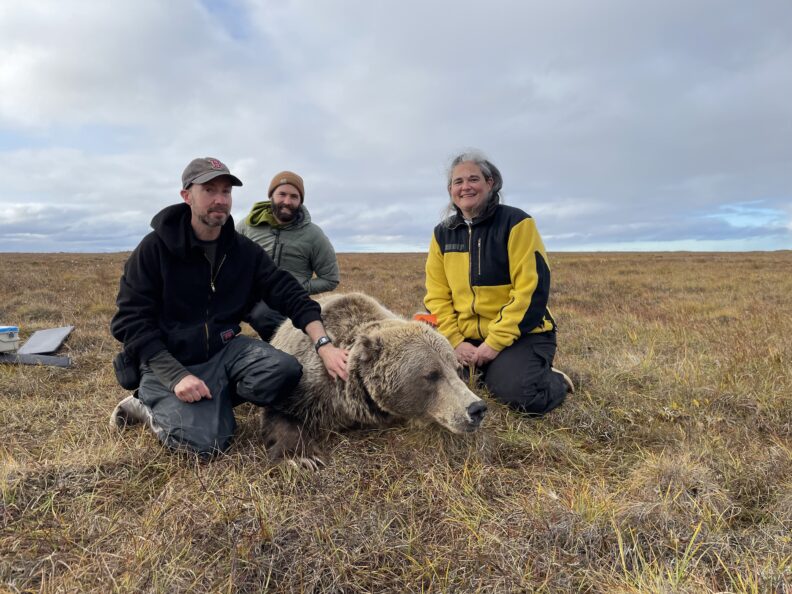
We’ve been fortunate to work with wonderful state, federal, and provincial field biologists in many locations to study bear ecology, primarily grizzly bears but occasionally other species. These studies have included understanding the nutritional challenges faced by Yellowstone grizzly bears, Arctic grizzly bears, and polar bears as their food resources change due largely to man’s impact, including global warming. Many of these studies combined information generated on both wild and captive bears to give greater insight and understanding than either alone could provide.
Current studies include understanding the limitations of terrestrial foraging to support the nutritional needs of polar bears as they are forced to spend more time on land during longer ice-free summers. There has been a debate within the bear research community about whether polar bears that are observed feeding on the same terrestrial resources that sustain Arctic grizzly bears derive sufficient benefit to limit their negative energy balance and weight loss and thereby increase their survival time. At the heart of the question is does the much larger size of polar bears relative to far smaller Arctic grizzly bears pose a problem in being able to harvest enough useful energy from generally small, poorer quality, dispersed foods to provide a net benefit relative to the fat-rich marine mammals that polar bears normally consume. The results thus far indicate that polar bears attempt to adapt by using several different strategies, ranging from becoming inactive and effectively hibernating to actively foraging, but neither strategy increases their survival time.
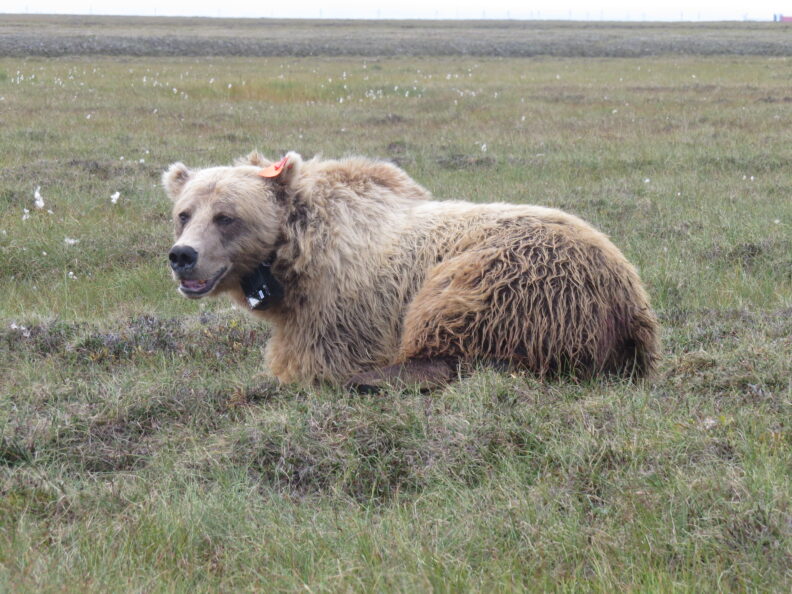
We are also beginning a multi-year study of how Arctic grizzly bears will be affected by climate change. Arctic grizzly bears live in a very harsh environment with short growing seasons and long winters. This leads to small bears living at the limit of their physiological capacity. In the earlier polar bear-Arctic grizzly bear study, we examined movements, energy expenditure and intake, changes in mass and body composition, and diet during three weeks in the late August and early September. This is a time when grizzly bears are normally accumulating large fat reserves to be used as an energy source during hibernation. However, the twelve bears that were handled gained very little as they fed on berries, vegetation, and flightless waterfowl. Thus, we now want to understand their diet, energy balance, movements, and mass dynamics during the entire active season. This study will start in 2025 and extend through 2028. We plan to capture twelve bears three times per year north of the Brooks Range on the coastal plain and fit them with GPS/video/accelerometer collars so we can fully understand their daily and seasonal lives. All bears will also be weighed, have their body composition determined, and have hair and blood samples taken for diet estimation. These and other methods will allow us to determine important foods and habitats that are necessary to sustain Arctic grizzly bears. With that information we can begin to develop insight into how climate change will affect these bears as well as polar bears as they come on shore earlier each year.