Press Releases
November 19, 2025
Research into the unknown lives of Arctic grizzly bears
A collaboration between the Alaska Department of Fish and Game and the Washington State University Bear Research, Education, and Conservation Center is investigating the unknown lives of Arctic grizzly bears and how they survive in one of the world’s harshest environments.
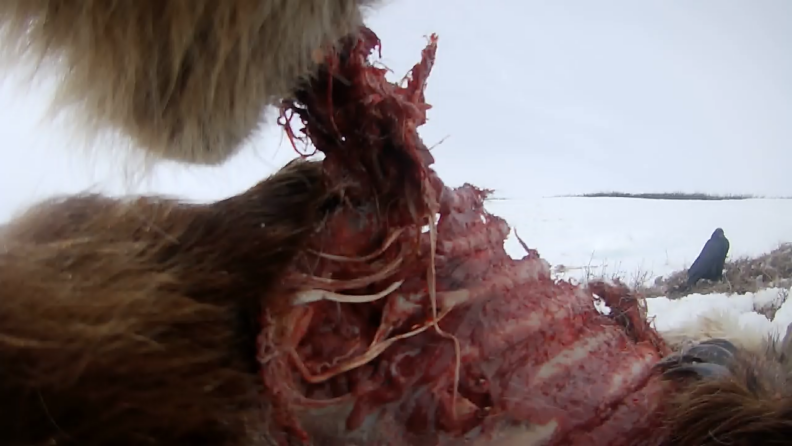
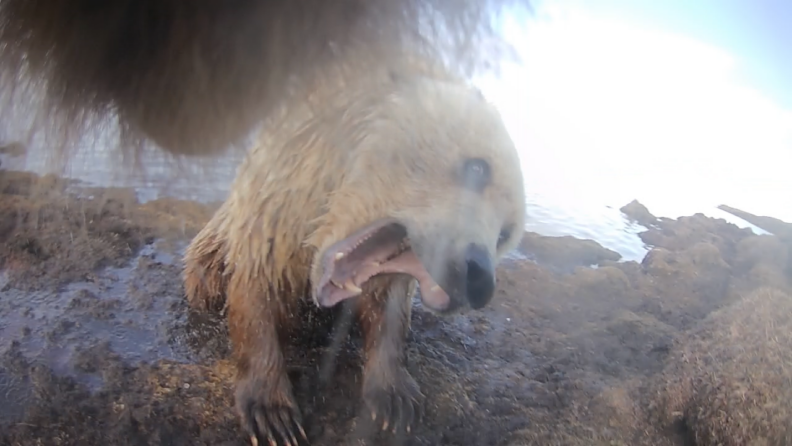
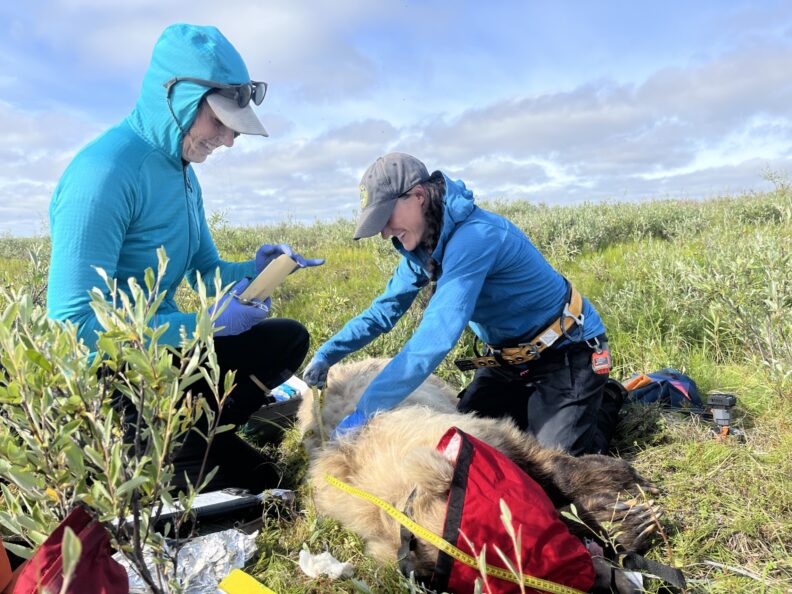
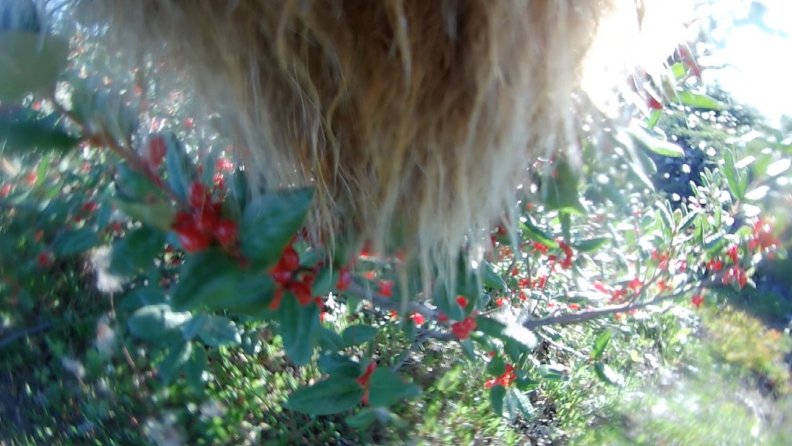
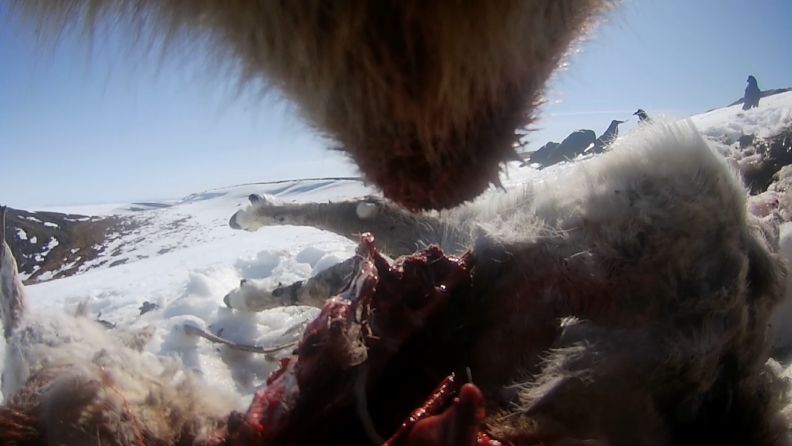
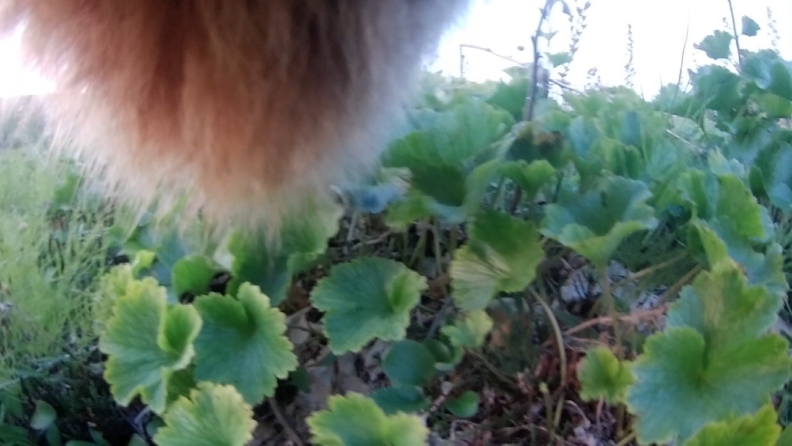
Biologists are following the day-to-day life of the farthest north population of Alaskan brown (grizzly) bears through video and GPS collars designed to capture representative glimpses into their feeding habits, behavior, and movements. The animal-borne video collars record a five-second clip every five to ten minutes during the short period between May and October when bears are out of their dens. When the bears are captured, the biologists also take various measurements to determine weight gain and body fat percentages to relate to diet, movement, and habitat use. They are learning more about how bears take advantage of the extremely short Arctic summer to obtain enough fat reserves to hibernate through the long, harsh Arctic winter.
Although adult Arctic grizzly bears are smaller (250 – 600lbs.) than their coastal brown bear counterparts (400-1,200lbs.), one Arctic male captured by biologists weighed 227 lbs. in May and 478 lbs. in October, more than doubling in weight! Up until now, very little is known about the dietary choices and habitat use decisions these bears make to enable these massive weight gains in such a short amount of time.
Both the video collars and other metrics will help illuminate which seasonal foods and in what amounts the bears are eating to maintain their populations. Grizzly bears have been seen eating caribou, waterfowl, waterfowl eggs, ground squirrels, various vegetation, and an incredible amount of berries!
For more information on the project, please reach out to: ctrobbins@wsu.edu
Click this link to download a PDF of this release.